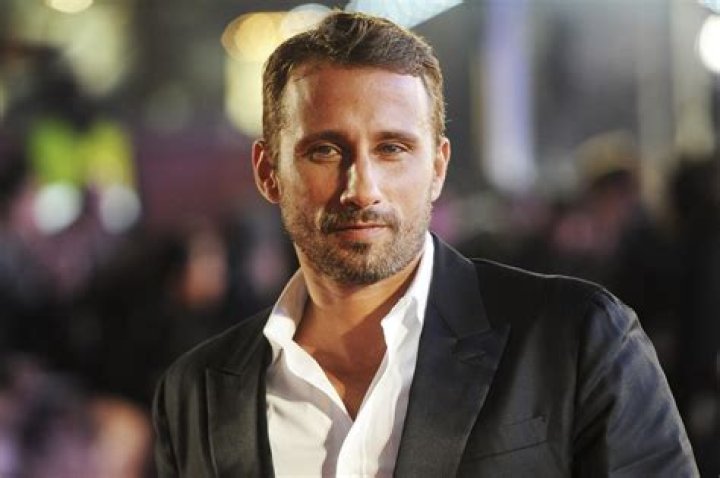
In the world of cinema and video games, few names resonate like Clint Eastwood and Arthur Morgan. Clint Eastwood, a legendary actor and director, has etched his mark in Hollywood through unforgettable roles that capture the essence of rugged masculinity and moral complexity. On the other hand, Arthur Morgan, the complex protagonist of the critically acclaimed video game Red Dead Redemption 2, embodies the struggles of loyalty, redemption, and the harsh realities of the Wild West. The juxtaposition of these two iconic figures raises intriguing questions about their narratives, personalities, and the worlds they inhabit.
As we delve into the lives of these two remarkable characters, we find ourselves exploring not just their backgrounds but also the deeper themes they represent. Clint Eastwood's characters often navigate a world steeped in lawlessness and personal codes, while Arthur Morgan grapples with the consequences of his choices in a rapidly changing America. This article aims to draw parallels and contrasts between these two figures, revealing the similarities and differences that make each of them iconic in their own right.
Join us as we embark on a journey to explore the legacies of Clint Eastwood and Arthur Morgan, examining what makes them memorable and how their stories continue to resonate with audiences today. Whether you’re a fan of classic Western films or immersive storytelling in video games, this comparison promises to shed light on the timeless appeal of these characters. So, who truly reigns supreme: Clint Eastwood or Arthur Morgan?
What is Clint Eastwood's Biography?
Clint Eastwood was born on May 31, 1930, in San Francisco, California. He gained fame in the 1960s as the "Man with No Name" in Sergio Leone's Spaghetti Westerns, including "A Fistful of Dollars" and "The Good, the Bad and the Ugly". Over the decades, Eastwood has transitioned from actor to director, helming critically acclaimed films such as "Unforgiven", "Million Dollar Baby", and "Gran Torino". His work often explores themes of redemption, morality, and the human condition, establishing him as a multifaceted talent in the film industry.
| Detail | Information |
|---|---|
| Name | Clint Eastwood |
| Birth Date | May 31, 1930 |
| Birth Place | San Francisco, California |
| Famous Works | The Good, the Bad and the Ugly, Unforgiven, Million Dollar Baby |
| Awards | Academy Awards, Golden Globe Awards |
Who is Arthur Morgan?
Arthur Morgan is the central character of Rockstar Games' "Red Dead Redemption 2", a game set in the late 1800s. As a member of the Van der Linde gang, Arthur is a complex anti-hero who faces moral dilemmas while struggling to navigate loyalty and survival in a world that is rapidly losing its old ways. His character is celebrated for its depth, emotional range, and the rich narrative arc that unfolds throughout the game. Players experience Arthur's journey of self-discovery as he grapples with the consequences of his lifestyle, ultimately seeking redemption.
| Detail | Information |
|---|---|
| Name | Arthur Morgan |
| Birth Year | Unknown (estimated 1863) |
| Affiliation | Van der Linde Gang |
| Key Traits | Complex, Loyal, Morally Ambiguous |
| Famous Quote | "I gave you all I had. You want more?" |
What Are the Key Themes in Clint Eastwood's Work?
Clint Eastwood's body of work often revolves around several recurring themes that resonate deeply with audiences. These themes include:
- Redemption: Many of Eastwood's characters seek redemption for past mistakes, often grappling with their conscience.
- Justice vs. Lawlessness: His films frequently explore the tension between personal justice and the established legal system.
- Isolation: Eastwood often portrays characters who are loners, reflecting on themes of solitude and the human experience.
- Moral Complexity: His narratives often present morally ambiguous situations, challenging viewers to consider the gray areas of right and wrong.
How Does Arthur Morgan Represent Modern Themes?
Arthur Morgan's character in "Red Dead Redemption 2" embodies themes that resonate with contemporary audiences, including:
- Loyalty and Brotherhood: Arthur's relationship with his gang highlights the importance of loyalty and the bonds formed through shared struggles.
- Redemption and Choices: Arthur's journey emphasizes the impact of choices on one's destiny, urging players to think about the consequences of their actions.
- Change and Progress: The game's setting reflects the transition from the old West to modernity, showcasing the inevitable changes brought by progress.
- Identity and Self-Discovery: Arthur's internal conflicts lead him on a path of self-discovery, prompting players to reflect on their own identities.
Clint Eastwood vs Arthur Morgan: Who is More Iconic?
The comparison between Clint Eastwood and Arthur Morgan raises questions about what defines an icon. Is it the cultural impact of an actor and director who has shaped the film industry for decades, or is it the deep narrative of a video game character who has resonated with millions of players? While Eastwood's characters have become symbols of cinema, Arthur Morgan's story speaks volumes in a medium that continues to evolve.
What Can We Learn from Their Stories?
Both Clint Eastwood and Arthur Morgan offer valuable lessons through their narratives. From Eastwood, we learn about the importance of facing one's past, the complexities of justice, and the search for meaning in a chaotic world. Arthur Morgan teaches us about the significance of relationships, the weight of choices, and the quest for redemption. Their stories serve as reminders of the enduring human experience, regardless of the medium through which they are told.
How Do Their Worlds Compare?
While Clint Eastwood's films often depict the lawless landscapes of the Wild West, Arthur Morgan's story takes place within a richly detailed open world that immerses players in the era. Eastwood's characters often confront external threats, while Arthur grapples with internal conflicts and the changing dynamics of society. This difference highlights the evolution of storytelling, with Eastwood representing traditional cinema and Morgan embodying interactive narratives.
Conclusion: The Legacy of Clint Eastwood vs Arthur Morgan
In the end, the debate between Clint Eastwood and Arthur Morgan may not yield a definitive answer. Each figure holds a unique place in the hearts of their respective audiences, embodying the values and struggles of their times. As we reflect on their legacies, we recognize that both Clint Eastwood and Arthur Morgan represent more than just characters; they are symbols of the human experience, reminding us of the complexities of life, loyalty, and the quest for redemption. Whether through the lens of cinema or the immersive world of video games, their stories will continue to resonate for generations to come.
Exploring The Rising Star: Clint Eastwood Young
Clint Eastwood: A Comprehensive Look At His Life And Career
Clint Eastwood Jojo: An Unexpected Journey Through Film And Character